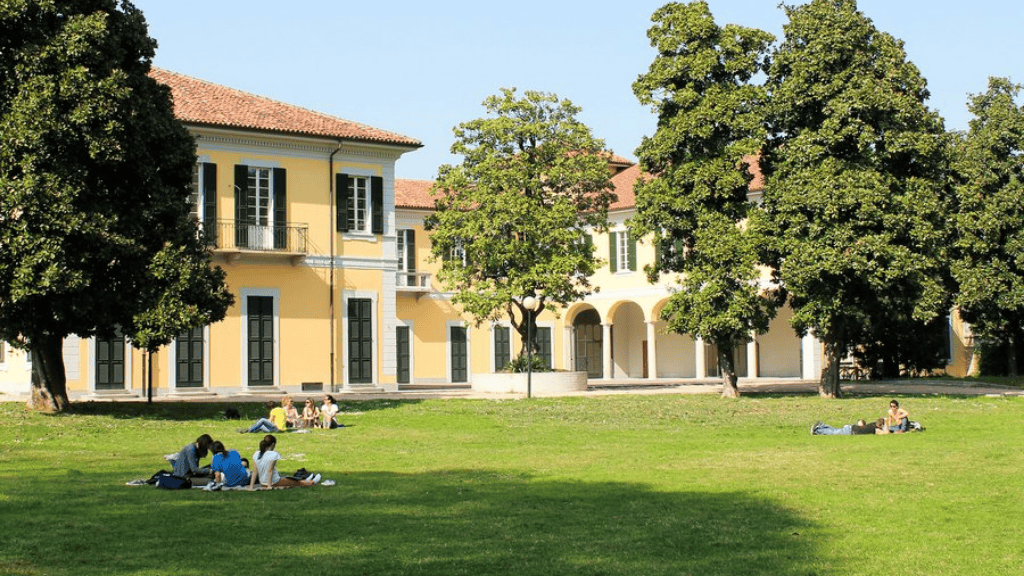
Florida Atlantic University

Master in Electrical Engineering

Boca Raton, United States

The Master in Electrical Engineering at Florida Atlantic University is a program for international students taught in English.

Introduction

Florida Atlantic University (FAU) in Boca Raton is a large public research university that blends strong academic offerings with a coastal campus environment. Founded in 1961, FAU serves a diverse student body across more than 200 programs spanning arts and sciences, engineering, business and health. Its South Florida location supports research in marine science, environmental studies and biotechnology, and gives students direct access to industry partners, internships and community engagement opportunities.

FAU emphasizes experiential learning and personalized support through advising, research centers and hands-on projects. Small to medium class sizes in many programs create close faculty-student interactions, while a wide range of student organizations and campus facilities nurture leadership and extracurricular growth. The university’s research infrastructure and partnerships provide pathways for applied work, recruitment and professional development in the region’s growing tech and health sectors.

International applicants will find FAU an attractive choice for career-focused education, with resources for global students and numerous academic pathways from undergraduate to graduate study. The university’s vibrant campus life, emphasis on employability and strong regional connections help graduates transition into work or advanced study. FAU suits students seeking an engaged, research-active institution with pragmatic support for career outcomes in a dynamic coastal setting.

About the Program

The Master in Electrical Engineering is a master's program for students who want to work in the field of electrical engineering. It's taught in English and takes 1-2 years to complete. This program helps students specialize in areas like telecommunications, digital signal processing, and alternative energy systems.

The curriculum covers topics like electromagnetics, RF circuit design, and bioengineering. Students also learn about systems and robotics, including control systems and machine vision. The program includes hands-on components like thesis and non-thesis options, which help students develop research and practical skills.

Graduates of this program can work as Telecommunications Engineers, Digital Signal Processing Engineers, Systems Engineers, Robotics Engineers, or Alternative Energy Systems Engineers. They can work in various industries, including tech, energy, and manufacturing. Top employers in these fields often look for professionals with a strong background in electrical engineering and specialized skills.

Similar Programs You Can Apply To

Direct application via Global Admissions is not available for this program. Browse similar partner programs below or visit the university's site to apply directly.

Edit Program

Related Blog Posts

Show More Blog Posts →
Apply Now