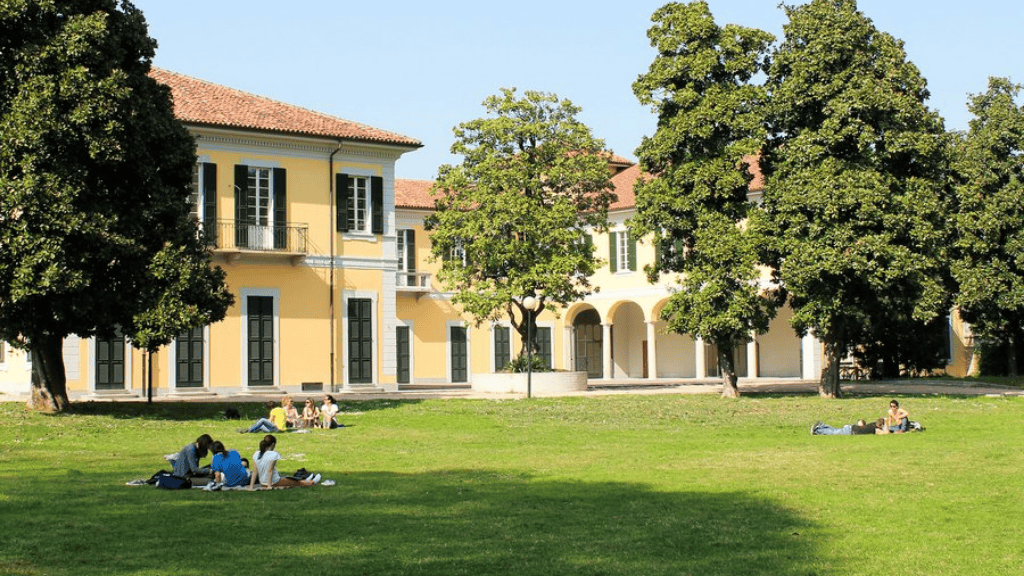
University of Alaska Fairbanks

Master in Electrical Engineering

Fairbanks, United States

The Master in Electrical Engineering at University of Alaska Fairbanks is a program for international students taught in English.

Introduction

The University of Alaska Fairbanks (UAF) is a research-focused public university known for strengths in Arctic studies, environmental science, engineering and natural resources. Founded in 1917 and located in Fairbanks, UAF combines rigorous academics with hands-on learning, making it a strong choice for students who want immersive research experiences and fieldwork opportunities. The campus community supports interdisciplinary study and encourages students to contribute to real-world solutions for northern and global challenges.

UAF offers a wide range of undergraduate and graduate programs and emphasizes applied research tied to regional needs, including climate science, renewable energy and indigenous studies. International students benefit from a close-knit campus environment, laboratory and field research opportunities, and access to specialized centers that focus on northern systems. Collaboration with faculty on funded projects is common, providing pathways to professional development, publications and practical skills valued by employers and graduate programs.

Living in Fairbanks gives students access to unique cultural and outdoor experiences, from aurora viewing to wilderness research sites, while local services support international student integration. Prospective international applicants should review program prerequisites, research opportunities and funding options, and connect with advisors in their department. UAF's emphasis on experiential learning and community engagement makes it a compelling option for students drawn to environmental research, engineering challenges and Arctic-focused scholarship.

About the Program

The Master in Electrical Engineering at the University of Alaska Fairbanks is a master's degree for students who want to learn about designing and integrating systems. This two-year program helps students develop skills in areas like renewable energy and wireless sensor networks.

The curriculum includes hands-on components like building cube-sats and designing drone systems. Students also learn about programming and flying drones to map land or monitor wildfires. The program covers specific subjects such as engineering in extreme environments and unmanned aeronautical systems.

Graduates can pursue careers as Electrical Engineers, Renewable Energy Systems Engineers, or Wireless Systems Engineers. They can work in industries such as aerospace, energy, or government agencies like NASA or DOE. Other possible job titles include Control Systems Engineer or Robotics Engineer.

Similar Programs You Can Apply To

Direct application via Global Admissions is not available for this program. Browse similar partner programs below or visit the university's site to apply directly.

Edit Program

Related Blog Posts

Show More Blog Posts →
Apply Now