Bachelor in Slavic Studies
Introduction
About the Program
Tuition in Context
This program's tuition is 50% below the typical bachelor's in Germany.
Median tuition for that cohort is 3,200 USD, across 453 programs in our catalog.
Compare Germany bachelor's programsSimilar Programs You Can Apply To
Direct application via Global Admissions is not available for this program. Browse similar partner programs below or visit the university's site to apply directly.
Xi’an Jiaotong-Liverpool University (XJTLU)
Bachelor in English and International Business
Tuition
12,430 USD / year

Beijing Normal-Hong Kong Baptist University (BNBU)
Bachelor in Chinese Culture and Global Communication
Tuition
15,537 USD / year

University of Georgia (UG)
Bachelor in English Philology
Tuition
3,000 USD / year
Xi’an Jiaotong-Liverpool University (XJTLU)
Bachelor in English Studies
Tuition
12,008 USD / year

University of Nottingham Ningbo China (UNNC)
Bachelor in English Language and Applied Linguistics
Tuition
17,705 USD / year
University of Nottingham Ningbo China (UNNC)
Bachelor in English with International Business
Tuition
17,705 USD / year
Related Blog Posts

German Scholarships – The 2026 Guide for International Students
January 28, 2026
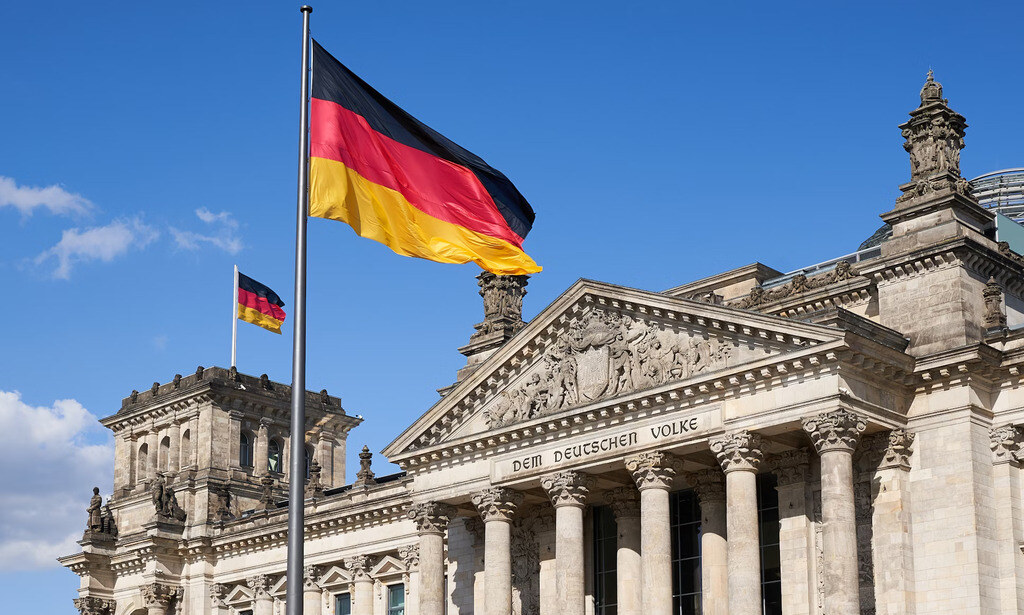
30 Fun Facts About Germany That Will Surprise You
April 25, 2025
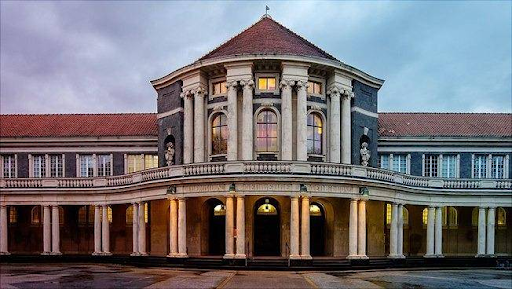
Study in Germany for FREE in English!
February 14, 2025

10 Best Websites to Search for Studying Abroad in 2027
July 18, 2026
-
Deadline
- Jan 15, 2027
- Tuition
- 1,611 USD per year
-
Application Fee
- 0 USD
-
Service Fee
- 0 USD
Applying early can increase your chances of getting accepted
Start Your ApplicationWhy Apply on Global Admissions?
- Boost Your Acceptance Rate
- Easy Online Application
- Thousands of international students use Global Admissions with 4.9 star reviews
- Free Service to Partner Universities or upgrade to our VIP Admissions Service