FPGA computing systems: Background knowledge and introductory materials
Introduction
About the Program
English Test Requirement
This program asks for IELTS 5.5-6.0. Here's what that's worth on the other tests universities accept, based on the official concordance tables:
- TOEFL iBT
- 46–59
- PTE Academic
- 42–49
- Duolingo
- 85–95
- CEFR level
- B1/B2
Equivalences are approximate — confirm the exact test and score the program accepts.
Similar Programs You Can Apply To
Direct application via Global Admissions is not available for this program. Browse similar partner programs below or visit the university's site to apply directly.

Coursera Project Network
Excel for Beginners: Introduction to Spreadsheets
Tuition
49 USD

The UWI China Institute of Information Technology (UWI-CIIT)
University Certificate in Computing and Information Systems
Tuition
1,375 USD / year
Coursera Project Network
Create a quiz using Microsoft Forms
Tuition
49 USD

Amazon Web Services
Solutions Architect - Associate
Tuition
Free

Udacity
Online Course in Computing With Natural Language
Tuition
96 USD

Google Cloud Customer Care Fundamentals - Bahasa Indonesia
Tuition
49 USD
Related Blog Posts
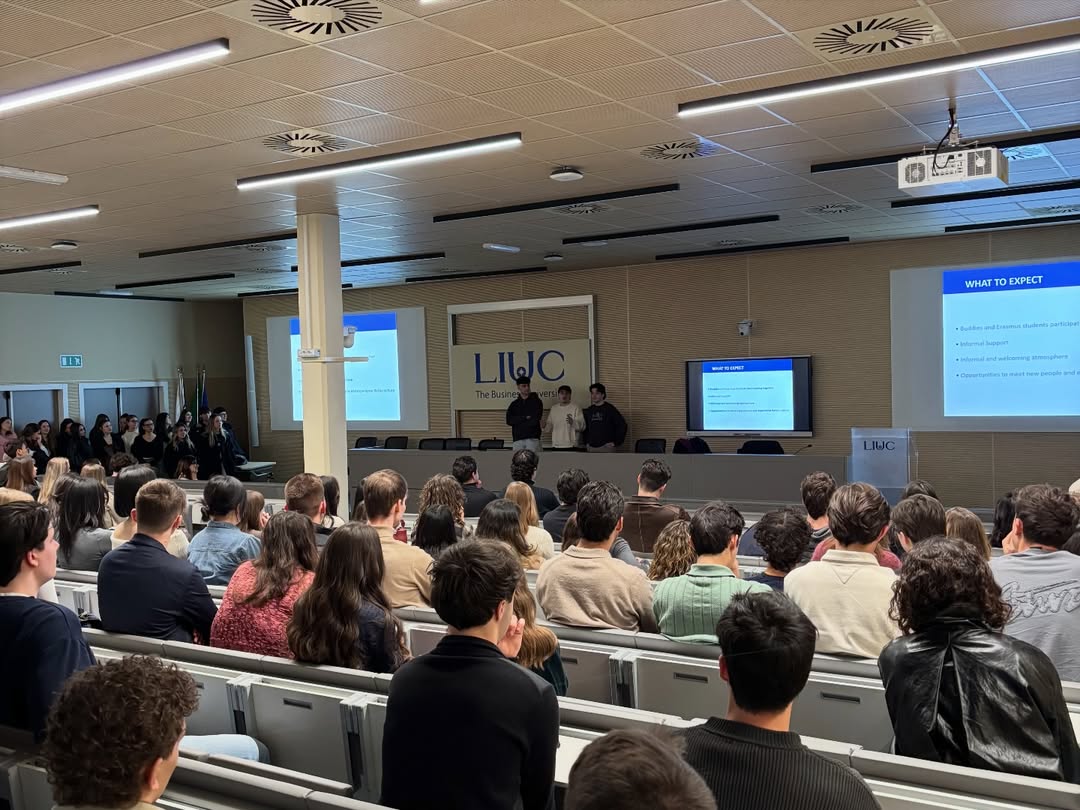
5 Reasons Why LIUC University Is a Top Choice for International Students
April 1, 2026

Introducing LIUC, The Business University in Italy
February 21, 2026

Top Programs to Study at LIUC, The Business University in 2026
February 7, 2026

The Ultimate Guide to Study MBBS in Italy
November 12, 2025
-
Deadline
- Anytime
- Tuition
- $120 USD
-
Application Fee
- 0 USD
-
Service Fee
- 0 USD
Applying early can increase your chances of getting accepted
Register NowWhy Apply on Global Admissions?
- Boost Your Acceptance Rate
- Easy Online Application
- Thousands of international students use Global Admissions with 4.9 star reviews
- Free Service to Partner Universities or upgrade to our VIP Admissions Service