
Bachelor in Electrical Engineering and Automation
Why students choose this program
- Taught in English
- Applications currently open
About Bachelor in Electrical Engineering and Automation
About Harbin Institute of Technology (HIT)
Fees
Create a free account to view complete fee information
Create Free Account- Tuition (international students)
- 30,000 CNY per year≈ 4,462 USD
- Application Fee
- 58 USD
Accommodation
Create a free account to view accommodation options and details
Create Free AccountYou will need to book the accommodation after you have been accepted.
You can choose to live on campus or off campus in private accommodation.
How to Book
It’s not possible to reserve a room before arriving. You can arrive a few days before and book it.
Entry Requirements
Create a free account to view entry requirements and apply to this program
Create Free AccountThe minimum age is 18 and the maximum age is 25.
Minimum education level Pre-High School completion
You need to have above average grades for the program. Above average - (Grade B-A, 60-70%, GPA 2.5-3).
All students from all countries are eligible to apply to this program.
Admissions Process
Create a free account to view the full admissions process
Create Free Account- 1Step 1Choose programs
- 2Step 2Apply online
- 3Step 3Enroll
Preparing documents
You can start your application now and send the application documents during your application. Some documents you can send later if you don’t have them right away. See document and eligibility requirements
Required documents
• Curriculum Vitae
• English Language Certificate
• Personal Statement
• Your Highest Academic Transcript (in English)
• Your Photograph
• Your Graduation Certificate (in English)
• Your Passport Copy
Application process
• Applying Online is simple in just a few steps. Learn more about the application process
• The first steps are to choose the programs, pay the application fee and upload the application documents.
• Once submitted to Global Admissions, we will review your application within 2-3 days and proceed to the university or ask you for further clarification
• After it has been processed to the university you will receive your unique application ID from each university.
• The university may contact you directly for further questions.
• We will then follow up each week with the university for updates. As soon as there is any update we will let you know. If you have made other plans, decide to withdraw / change address at any time please let us know.
• After you have been accepted you will receive your admissions letter electronically and asked to pay the non-refundable deposit to the university.
• Once you have paid the deposit the university will issue you the admissions letter and visa form to your home country.
Bachelor in Electrical Engineering and Automation: Frequently Asked Questions
What are the fees for Bachelor in Electrical Engineering and Automation?
What are the entry requirements for Bachelor in Electrical Engineering and Automation?
How long is the Bachelor in Electrical Engineering and Automation program?
What is the application deadline?
Is Bachelor in Electrical Engineering and Automation available online?
Harbin Institute of Technology (HIT) Reviews
Similar Programs

Harbin Institute of Technology (HIT)
Bachelor in Food Science and Engineering
Tuition
3,867 USD / year
Harbin Institute of Technology (HIT)
Bachelor in Robot Engineering
Tuition
4,462 USD / year

University of Nottingham Ningbo China (UNNC)
Bachelor in Environmental Engineering
Tuition
17,848 USD / year

Beijing Institute of Technology (BIT)
Bachelor in Electrical Engineering
Tuition
4,462 USD / year
Related Blog Posts

10 Best English-Taught Universities in China for International Students
May 28, 2026

China Is Racing Ahead in AI and Robotics – And Drew a Line Around AI Replacing Workers
May 9, 2026

The Ultimate Guide to Study MBBS in China
April 14, 2026
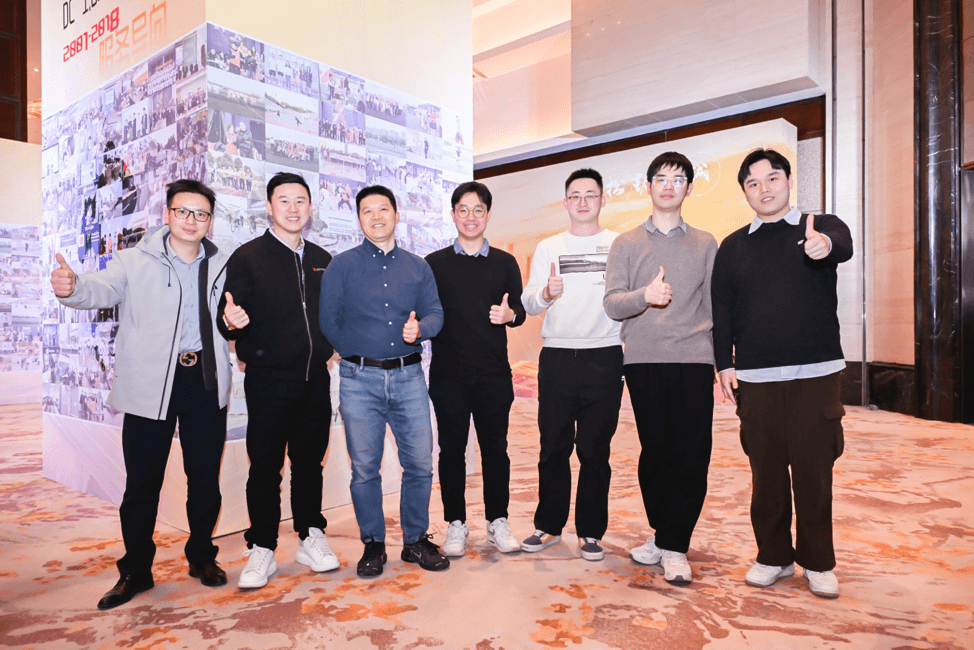
XJTLU equips students to thrive in today’s job market
April 14, 2026
- Start Date
- Sep 1, 2027
- Deadline
- May 31, 2027
- Tuition
- 4,462 USD per year17,848 USD in total
- Application Fee
- 58 USD
- Service Fee
- 0 USD
Applying early can increase your chances of getting accepted
Why Apply on Global Admissions?
- Boost Your Acceptance Rate
- Easy Online Application
- Thousands of international students use Global Admissions with 4.9 star reviews
- Free Service to Partner Universities or upgrade to our VIP Admissions Service