Master in Earth and Environmental Sciences
Why students choose Dalhousie University
- Dalhousie offers a research-intensive environment with strong industry connections.
- Over 90% of students participate in experiential learning each year.
- The university provides an international tuition guarantee for undergraduate programs.
- Students gain access to co-op, internships, and clinical practicums across diverse fields.
- Halifax offers a vibrant coastal lifestyle and a welcoming community for international students.
About Master in Earth and Environmental Sciences
About Dalhousie University
English Test Requirement
This program asks forIELTS 6.5-7.5. Here's what that's worth on the other tests universities accept, based on the official concordance tables:

English Test · fastest & cheapest
105–120
- TOEFL iBT
- 79–93
- PTE Academic
- 58–64
- CEFR level
- B2
Equivalences are approximate — confirm the exact test and score the program accepts.
Master in Earth and Environmental Sciences: Frequently Asked Questions
What are the fees for Master in Earth and Environmental Sciences?
What are the entry requirements for Master in Earth and Environmental Sciences?
How long is the Master in Earth and Environmental Sciences program?
What is the application deadline?
Is Master in Earth and Environmental Sciences available online?
Similar Programs You Can Apply To
Direct application via Global Admissions is not available for this program. Browse similar partner programs below or visit the university's site to apply directly.

Vilnius University
Master in Theoretical Physics and Astrophysics
Tuition
6,376 USD / year

Yeditepe University
Master in Medical Microbiology
Tuition
10,000 USD / year
Vilnius University
Master in Biophysics
Tuition
6,144 USD / year

Jinzhou Medical University (JZMU)
Master in Neurobiology
Tuition
4,759 USD / year
Ilia State University
Master in Applied Genetics
Tuition
3,200 USD / year

Shantou University Medical College (SUMC)
Master in Biochemistry and Molecular Biology (Autophagy and Tumor)
Tuition
6,693 USD / year
Related Blog Posts

9 Amazing Reasons Why You Should Study in Canada
April 10, 2026

Sustainability Careers in Europe 2027 Guide
August 31, 2026

Sustainability Management School (SUMAS) Admissions Guide 2027
August 29, 2026
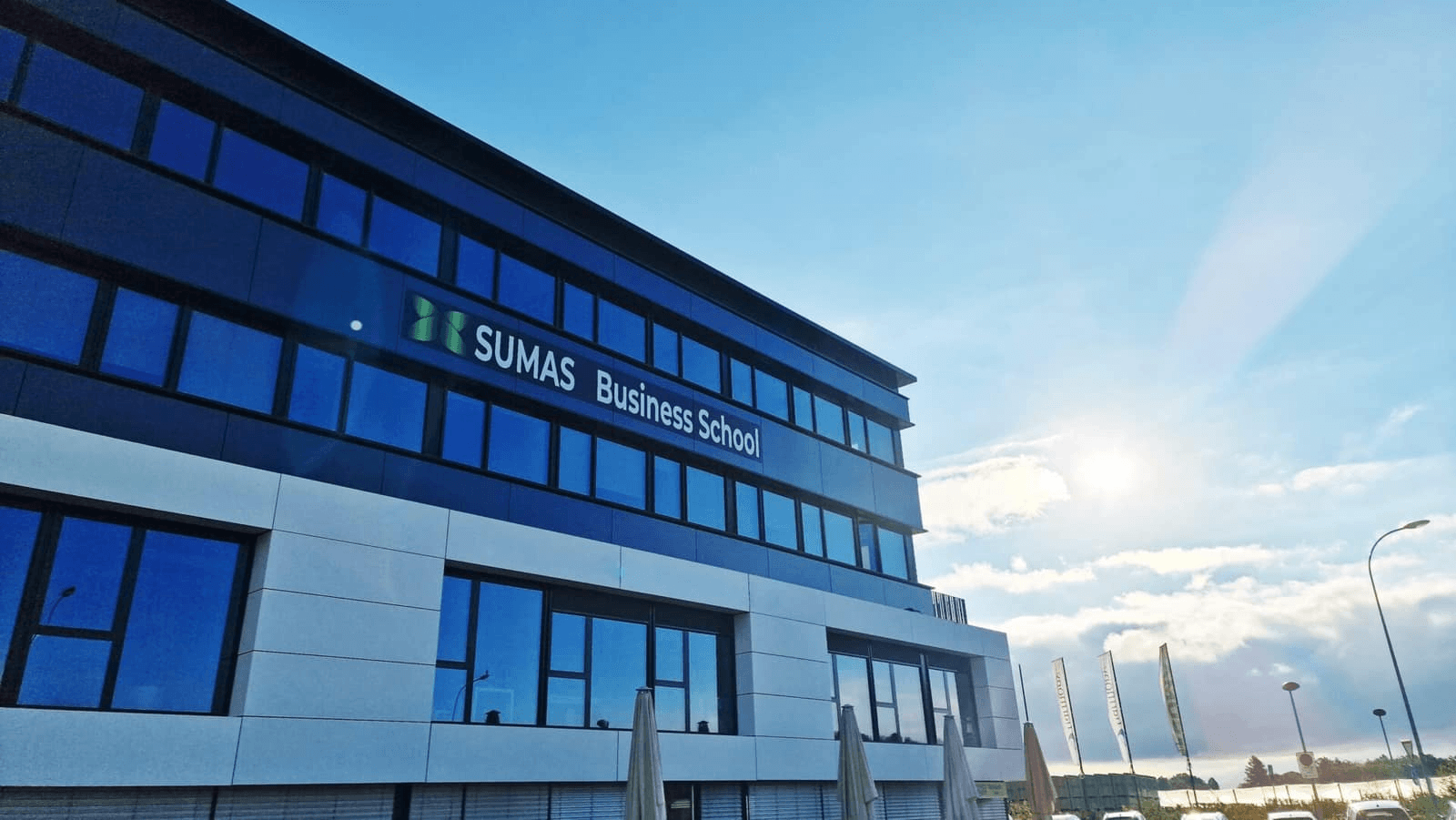
Introducing SUMAS: the World’s First Sustainability-Focused Management School
August 29, 2026
- Start Date
- Sep 1, 2027
- Deadline
- Apr 1, 2027
- Tuition
- 13,351 USD per year26,702 USD in total
- Application Fee
- 55 USD
- Service Fee
- 0 USD
Applying early can increase your chances of getting accepted
Takes about 15 minutes
Why Apply on Global Admissions?
- Boost Your Acceptance Rate
- Easy Online Application
- Thousands of international students use Global Admissions with 4.9 star reviews
- Free Service to Partner Universities or upgrade to our VIP Admissions Service
Takes about 15 minutes